

How Having A Gay Experience Made Me A Better Lover To Women.
Every now and then we snag up stories we feel may be interesting to our readers. We archive them on our sex blog and throw them in the category of The Wild Wild Web. Here is an interesting piece about a guy getting fucked by another guy and it changed everything he thought he knew about sex and his sexuality. For him, being gay or having a gay experience made him realize how good men can be in bed, and in response he became a better lover to women.
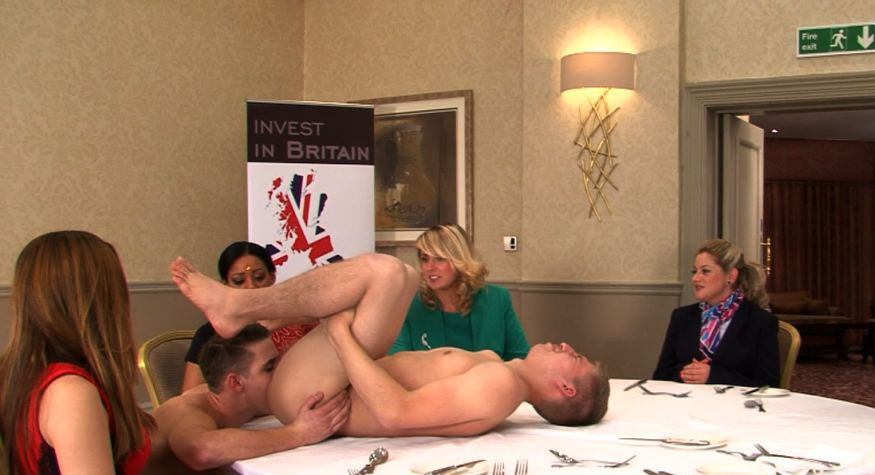
Getting fucked by another guy changed everything I thought I knew about sex and put me in sort of a crisis and also a new beginning.
I am a 55 year old guy who was recently divorced (amicably) after a long marriage and currently have a relationship with a younger woman in her 20s as her sugar daddy. It’s more than just trading money for sex though, we have a relationship as friends and can talk about things I’ve never been able to talk about with anyone else.
I always suspected I was bisexual and now had the chance to try stuff with guys. I had a couple of bad encounters hooking up on my own with random men and so, my sugar baby offered to set me up with a guy who is her FWB and identifies as straight but is willing to occasionally fuck guys.
The Gay Experience That Made Me A Better Lover
He is like the male version of her, attractive, fit, nice personality, younger but there is no sugar arrangement, it’s just sex. He has a high sex drive.
My first experiences with men were awkward and some were scary! I had no idea how scary it can be to have sex with someone who can overpower you until I tried it! One guy had anger issues that came out when he drank!
The difference between this new guy and the others was night and day! He was amazing! He has a nice dick but it was his abs and butt that made the difference He was like a machine that could fuck effortlessly and he can very easily overpower me but I never felt unsafe. He also knew when to turn it up and be more aggressive but never to the point where I felt threatened.
The main thing was just how much longer he could fuck than I ever did. I kept expecting it to be over and he’d just be able to keep going. It was incredible.
How This Gay Experience Made Me A Better Lover
After the first time was over, I just sat there alone and actually cried, because of how great it was but also because I felt like I wasted my own potential in MY sex life just because I didn’t know any different. I didn’t finish too early but compared to him, I realized I was in my late middle age and had no clue what I was doing. I felt bad for my ex wife whom I had a long and wonderful sex life with and instantly realized it could have been so much more. I felt like all my life I was cutting sex short before it really even started, when it could have been so much more.
Nobody teaches you how to have sex right? So you just fall into a pattern and it becomes HOW you have sex and you start to think it’s like that for everyone. Guys don’t like to admit to themselves that they are lacking in that department so they generally don’t like to think about it or if they should improve.
She Noticed My Gay Experience Made Me A Better Lover
I mean when I have sex with my sugar baby, she obviously is younger and fitter than I am so I never really thought twice about it. According to her, I am a lot better than the other (older) sugar daddy she had before me and the last boyfriend she had who was her own age liked porn and video games more than fucking! She started seeing her FWB to get her needs met.
After getting fucked by him though, my own skills improved just by knowing I could do more! She noticed and was pleasantly surprised! We talked about how I was feeling and she told me my performance was fine. She told me that sex with men is either awful, mediocre, or fucking amazing and it’s rare that a man is fucking amazing. She said when you can find a guy who is that good at it and not an asshole, you hold on to him!
How My Gay Experience Changed Me
It also made me realize I am bottom with men which made me question my self image. I have a female side that likes being overpowered and just going for a ride where someone else is driving! I didn’t expect to catch feelings for a guy either but that is starting too. I catch myself wondering what he is thinking or second guessing myself when I am waiting for him to respond to a text.
It also made me notice guys in public. It’s like I had blinders on all my life. I can see how confidence is sexy. I notice things I never did before. My Ex and I have college aged daughter and we went through hell with her when she was almost engaged to this complete jerk and we could not possibly see what she saw in him. I started having sexual fantasies about guys like that now! It’s just that IDGAF attitude and the sense of danger and excitement. The guy I am seeing is not like that but he can tap into it and knows how to!
As for advice, I am wondering if the regret I feel is normal or healthy? Is it something that is likely to pass or should I seek out counseling? I also have no idea what the rest of my life is gonna be like. I don’t want to keep seeing sugar babies and having random hookups. I realize this is a phase but I also know that most women are turned off by bisexual men and I am definitely bisexual.

Venice’s Response: to a gay experience made me a better lover
This story is a good take on how a person can finally realize how good men fuck through being fucked by a man, but I’d like to add, as a woman, sex is amazing when you have an amazing connection. Some women may not need a connection, but I did. From my readings, most women prefer a connection prior to sex. The idea that a man being great in bed with zero connection is foreign to me. No lover can be a good lover if I do not have a connection, no matter how long he goes or how good he moves. My husband and I learned how to fuck each other, and even the very first time when neither of us even understood sex, it was the best sex imaginable. Not because of some technical move or his stamina, but because I never wanted to fuck a person so bad in my life. The same as if you are starving and you get served a meal, it will be the best meal ever. And with my husband, I stay in a sexual famine, because I was always hungry for him to fuck me.
I just felt this was something I should clarify due to the opinion of his sugar baby who gave her opinion on how guys can be bad in bed, mediocre in bed, or great in bed. Her perspective isn’t something I would change my entire perspective on sex and life on. That’s all I am saying.
So as a man who got great sex with no connection from another man, that doesn’t mean that is what women want. You aren’t a woman.
Ryan’s Response: gay experience made me a better lover
This is an interesting story and I believe that you were right when you said you went through life with blinders on. I am unsure if you never watched amateur porn (much different than highly edited professional porn), but some men can fuck for hours. Some men are stallions built to fuck, built to last last long, built with huge dicks that you’d think every woman would love to try. Maybe you were complacent. Maybe you didn’t believe porn was actually real sex due to editing. But it wasn’t until you had a stud that knew exactly how to fuck you that you realized you had been doing it wrong your whole life. Well, your life isn’t over. You were a bad lover at 20 because you didn’t believe good sex actually existed. You had blinders on. You will be a bad lover at 50 because you believe it’s too late to change. You still have blinders on, except you can’t see the future. In both instances you are wrong. Stop telling yourself why you can’t be a good lover, or thinking about what you missed, and start creating experiences that you want to have.
 A Gentleman’s Guide To Making Your Ass More Enjoyable For Women To Eat

 The Advantages of Couples Who Have Sex While Drunk
 Drunk Sex – Enthusiasm
 The Secret To Keeping Your Vagina Clean
 I did unfold the instructions that came with the box and saw a crude caricature of a woman with one leg up at a 90 degree angle. In the next frame was the douche bottle headed right for the opening between her legs. What’s she doing that for? I thought. Does the water stay in there? What comes out? My six-year-old mind couldn’t even comprehend, and I don’t even think I asked my mom what she did with that bottle.

